
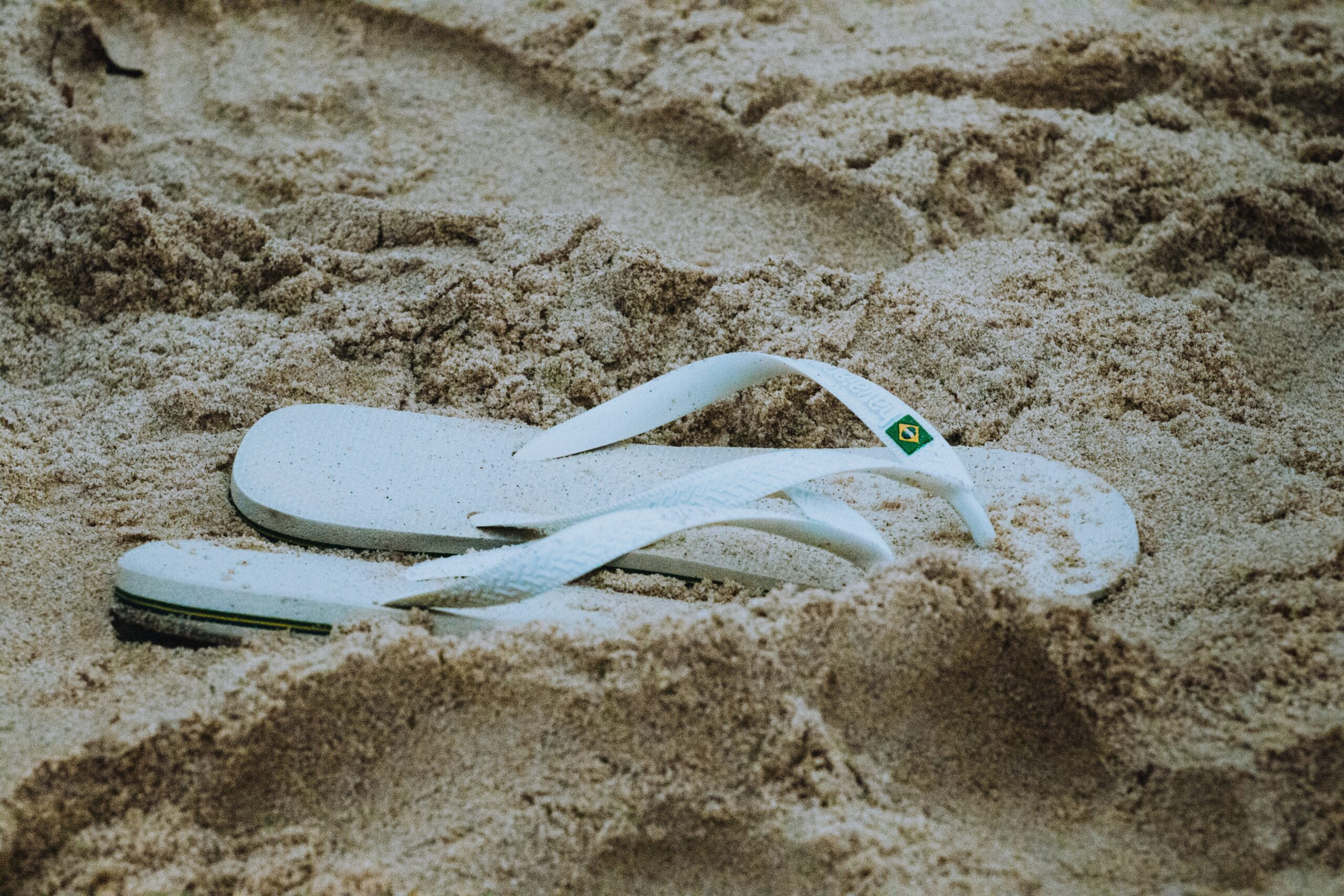
A few years ago, one of my kids learned the hard way that flip-flops and a mucky lake bottom don’t mix.
We were spending the weekend at our family cottage on the lake, and after a swim, he came out of the water with only one flip-flop. The other had disappeared somewhere into the murky depths.
Like any parent would, we spent some time looking for it. No luck.
Eventually, we accepted that it was gone. And since there wasn’t much use for a single flip-flop, I tossed the remaining one and moved on.
Fast forward several years.
My husband and I were cleaning up the shoreline when he suddenly called out, “Hey, I found a flip-flop!”
Jokingly, I asked if it was the missing Packers flip-flop from years ago.
Amazingly, it was. Somehow, after years buried in the muck at the bottom of the lake, that lost flip-flop had resurfaced.
My first thought was, Maybe I shouldn’t have gotten rid of the other one.
But then I stopped and thought about it. Even though we found the missing flip-flop, it didn’t actually matter.
Years had passed. The child who wore those flip-flops had long since outgrown them. Keeping that lone shoe all those years wouldn’t have helped anyone. It would have simply taken up space while we waited for a highly unlikely outcome.
The “Just in Case” Trap
This is one of the most common reasons people struggle to declutter.
We keep things because:
- We might find the missing piece.
- We might need it someday.
- We might use it again.
- We don’t want to regret getting rid of it.
These thoughts feel reasonable in the moment. But over time, they can lead to homes filled with items we’re storing for possibilities rather than realities.
Most of the time, the item we’re saving isn’t serving a purpose today. It’s simply taking up valuable space and creating more visual clutter, more decisions, and more things to manage.
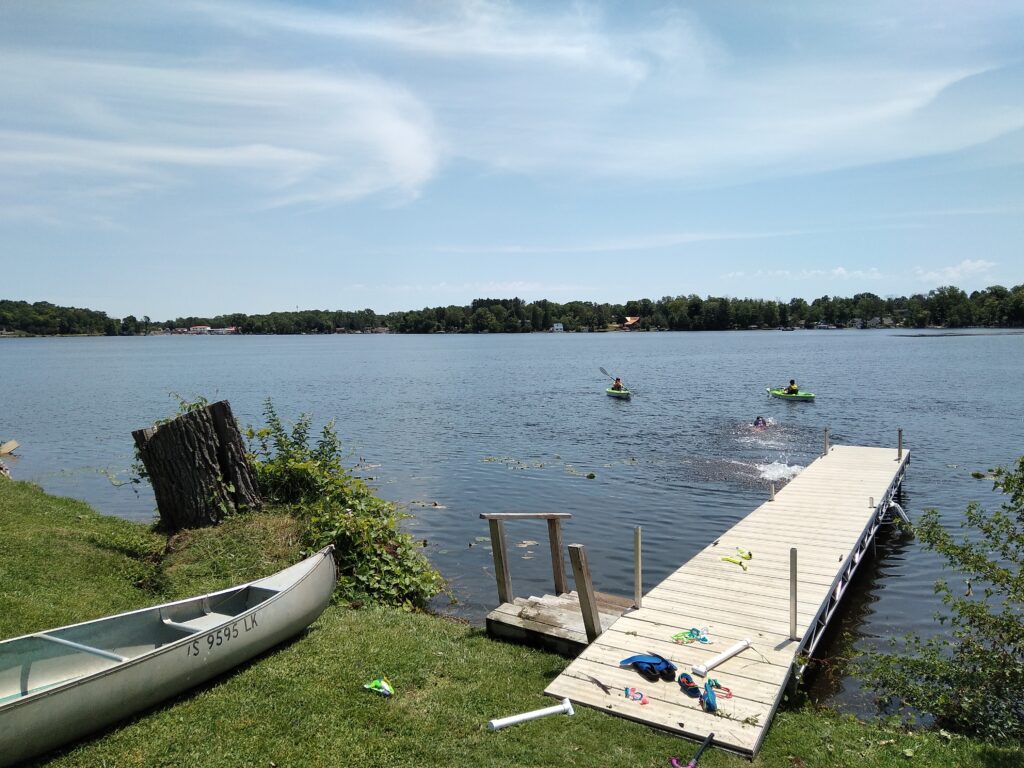
Photo taken at Kettle Moraine Lakehouse
Even When the Unlikely Happens
The funny thing about the flip-flop story is that the unlikely actually happened.
We found it.
But finding it didn’t change anything.
The flip-flops still weren’t useful. Nobody in our household could wear them anymore. Keeping that single shoe for years would not have created value, it would have created clutter.
That’s an important reminder when you’re struggling to let go of something.
Instead of asking:
“What if I need this someday?”
Try asking:
“If I never find the missing piece, never use it again, or never need it, am I willing to store it indefinitely?”
Often, the answer becomes much clearer.
How to Decide What to Keep
When you’re faced with an item you’re saving “just in case,” ask yourself:
- Is this useful to me right now?
- Would replacing it be difficult or expensive?
- Am I keeping it because of a realistic need or a remote possibility?
- If I found the missing piece tomorrow, would I actually use it?
These questions can help you make decisions based on your current life rather than hypothetical future scenarios.
A Simple Summer Decluttering Challenge
Take a few minutes today and look through your summer items.
Can you find five things to let go of?
Maybe it’s:
- Worn-out flip-flops
- Stretched-out swimsuits
- Outgrown kids’ swim gear
- Broken pool toys
- Beach or lake items you haven’t used in years
Just five things.
Small, consistent decluttering decisions add up over time and make your home easier to manage, easier to maintain, and more enjoyable to live in.
And if you happen to find the matching flip-flop years later?
Chances are, you’ll be just fine without it.